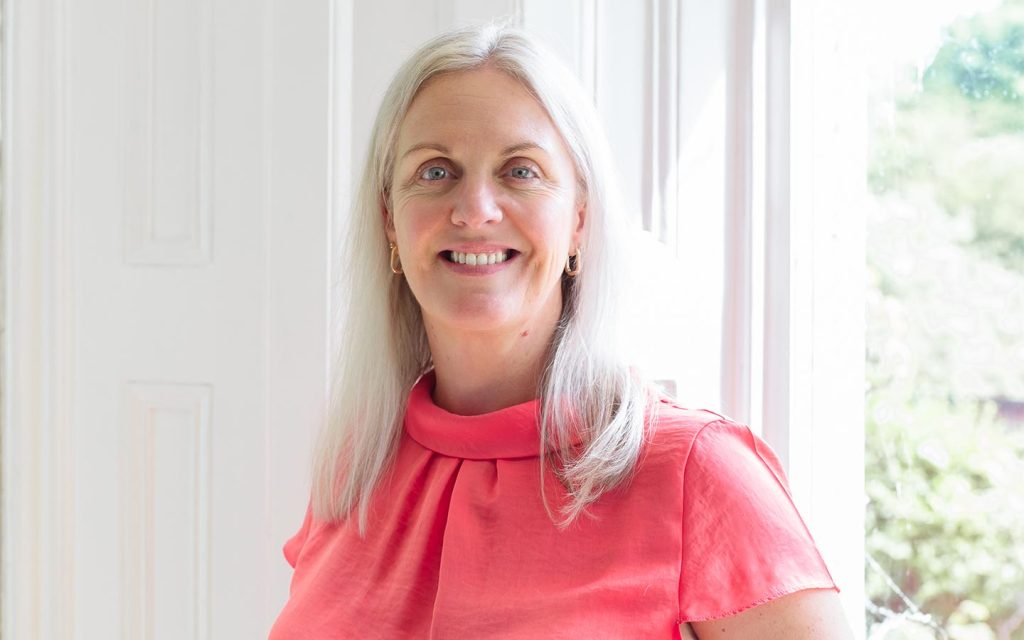
Architect
Qualifications
- BA (Hons) Architecture (Part 1)
- Post Graduate Diploma in Architecture (Part 2)
- Post Graduate Diploma in Architectural Studies (Part 3)
- ARB Registered Architect
- RIBA Chartered Architect (Royal Institute of British Architects)
Route
- A Levels
- Part 1 Degree (full time)
- Year in practice
- Part 2 Post Graduate (part time day release)
- Part 3 Post Graduate (part time day release)
Career Path
I have always enjoyed learning a wide range of subjects and took the opportunity to do something a bit different for my A Levels to combine art with subjects such as media studies and psychology as I hadn’t come across them before.
I wanted a creative career path but didn’t know what I wanted to do so chose what I hoped would give me some ideas for the future and a basis from which I could look at multiple options later. I wanted a career that was practical but also creative and would be a varied career.
I never considered becoming an architect when I was younger as I had never come across it and no one in my family worked in the construction industry. I perhaps had a stereotypical view that construction was builders and trades.
I found it by looking through the careers index in the college library! Architecture started with ‘A’ so I didn’t get far down the list before something caught my eye and I began to research careers. I initially decided that interior design would be more interesting than designing buildings and I felt it would be a field where I could be creative and work with lots of different people.
I was able to get funding to go to university and had various interviews and it was at one of those that the course leader suggested I might be better suited to architecture as it had a wider focus. Thinking little more of it I decided to go for it. Had I thought about it and how long it would take I might have changed my mind. To become an architect takes a minimum of seven years, one degree, two years working in practice and two separate masters degrees.
I studied for my degree in Leeds and had an amazing university experience in a big city, but the hours were long and the course intense. An architecture degree is not for the faint hearted, there are endless late nights, learning how to design as well as understanding costs, structural engineering, sustainability, history, materials and so on. There were weekly presentations to tutors and having to present your design in front of guest critics regularly was terrifying to begin with.
Once I completed my degree I worked in practice for year before going travelling. It was brilliant to put into practice what I learnt but also the realisation that I still barely knew anything. I moved back to Norfolk and joined Chaplin Farrant as an Architectural Assistant in 2007.
I decided to continue with my studies but on a part time basis, I wanted to continue working in an architectural practice while studying and not many part time courses existed at the time but I found one in Birmingham, the structure is very similar to how the current apprentice programmes work. Part time study meant I would have multiple years of experience by the time I qualified making myself more employable and I would have real world experience.
For the next three years I travelled weekly to Birmingham and worked the other four days in Norwich. It was difficult, but I learnt to manage my time and for me it was worth it. Much like my degree choice, had I thought about it too much I probably would have talked myself out of it.
The final year of studying is where you undertake a case study, putting into practice the learning by taking a real world job from start to finish, without this experience you cant qualify.
I completed my studies in 2011 and became an ARB registered and Chartered Architect. I stayed at Chaplin Farrant and worked on multiple projects before specialising in education and community spaces, the work is varied and no two days are the same. Sometimes its sketches and design work, others detailed technical drawings and specifications, and other days you are on site solving problems and finding solutions. It’s a rewarding job and there is nothing quite like seeing a building emerge from what was once an idea in your head.
As a career it has given me all the key things I wanted, creative time, problem solving, practical knowledge and meeting different people every day.
My career at Chaplin Farrant progressed and I was promoted to an associate, then associate director and then became a director of the company in 2018. I now manage a team and help to run the company with the other directors, as well as design. I’m very happy that I chose the path I did and that the construction industry is as varied as it is, there is something for everyone in our sector.
Outside of everyday work, I have been involved with the RIBA and the Chair of the Norfolk branch of the RIBA, then the chair of the East Region, supporting other architects and mentoring future ones. A recent highlight was being invited to a Garden Party at Buckingham Palace and meeting the King!
Current Role
Architect & Director of Chaplin Farrant
Salary Range
Varies significantly depending on experience, role and industry.
Typical Day
It sounds like a cliché but they are so different, but a typical day always involves two things. One is working with other people, whether its my team, clients, contractors or local communities, and two, it always involves solving some kind of problem or challenge through design or research or collaborating with others.
Things I wish I’d known
How long it would take, but it may have put me off, so Im glad I decided to just try it out and see how it goes.